
So, you want to figure out the cost of goods sold, huh? Well, buckle up, friend, because this is going to be a wild ride! You'll need to grab a calculator, a pencil, and a healthy dose of accounting magic to make it all happen.
First things first, you've got to understand what cost of goods sold (COGS) actually means - it's the direct cost of producing and selling your products or services, minus any indirect costs like salaries or rent. Think of it like the recipe for your favorite cake: you need to count the cost of flour, sugar, and eggs, but not the cost of the mixer or the bakery itself. It's all about separating the essentials from the extras!
The COGS Formula
Now that we've got the basics covered, let's get to the COGS formula: Beginning Inventory + Purchases - Ending Inventory = Cost of Goods Sold. Yep, it's a real mouthful, but trust me, it's easier than it sounds - just remember to add, subtract, and voilà! You'll need to know your beginning inventory (what you had in stock at the start of the period), purchases (what you bought during the period), and ending inventory (what you had left at the end of the period).
Must Read
For example, let's say you're a coffee shop owner and you want to calculate your COGS for the month. You started with $1,000 worth of coffee beans, bought $3,000 more during the month, and ended with $1,500 worth of beans left over. Using the formula, your COGS would be $1,000 + $3,000 - $1,500 = $2,500 - that's the direct cost of all the lattes you sold!
Purchases and Inventory
Now, let's talk about purchases and inventory - the dynamic duo of COGS! You'll need to keep track of everything you buy and sell, from raw materials to finished products. It's like keeping a treasure chest of goodies - you've got to know what's coming in and going out, or you'll be lost at sea!
 Cost Of Goods Sold Formula How To Calculate Cost Of Goods Sold: Easy
And don't even get me started on inventory management - it's like a game of Tetris! You've got to fit all the pieces together just right, or you'll end up with a warehouse full of worthless junk. But seriously, keeping accurate inventory records is crucial for calculating COGS, so stay on top of it!
So, there you have it - the secret to calculating COGS! It's not rocket science, but it does require some number-crunching magic. With the right formula, a bit of accounting know-how, and a healthy dose of organizational skills, you'll be a COGS master in no time. Happy calculating, and remember - don't let the numbers scare you!
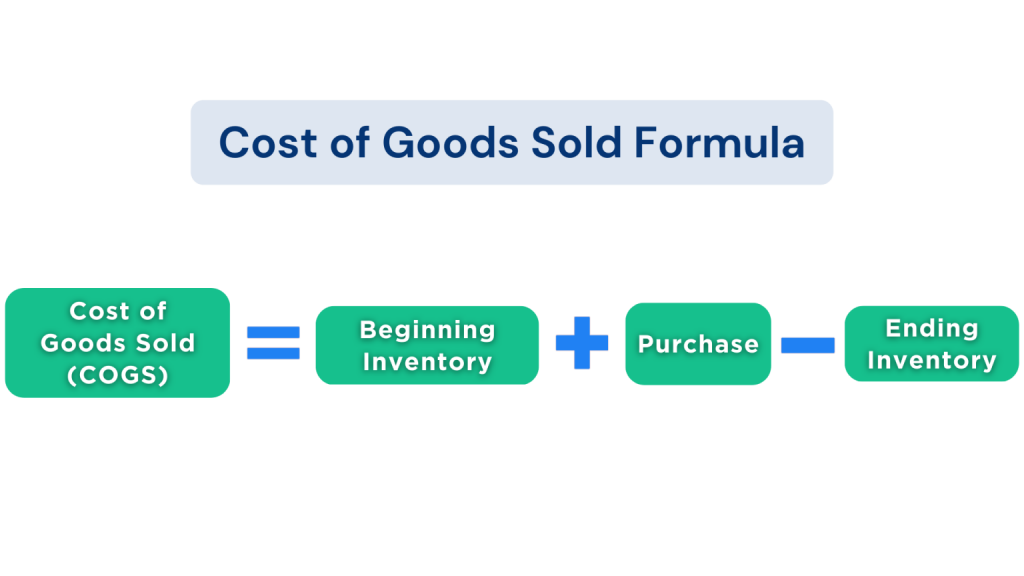 Cost Of Goods Sold Formula How To Calculate Cost Of Goods Sold: Easy
And as a parting gift, here's a surprising fact: did you know that COGS can affect your taxes? Yep, it's true - the IRS wants to know all about your cost of goods sold, so make sure you're keeping accurate records. It's like having a superpower - you'll be able to save money and avoid any tax troubles!
In conclusion, figuring out the cost of goods sold is like solving a puzzle - it takes a bit of effort, but the end result is totally worth it. So, go ahead, grab that calculator, and start crunching those numbers! Your business (and your accountant) will thank you. And remember, practice makes perfect, so keep on calculating until you're a COGS pro!